
Get the Perfect Residential Touch-Up with the Right Paint Brush This Christmas
December 4, 2016

With family and friends visiting over the festive season, many homeowners like to give their property a quick facelift before the holidays arrive. The good news is that a professional looking touch-up does not require an expensive toolkit. In most cases, the single most important tool is a paintbrush suited to the job at hand.
A brush that is the wrong bristle type, size or shape can leave visible streaks, uneven coverage or wasted paint, even when the product itself is high quality. Before you start your next residential touch-up, here is what to know about choosing the right brush for the job.
Types of Brush Bristles to Consider Before Painting
Paintbrushes are generally made with one of three bristle types, and each is suited to different paints and finishes. Picking the wrong type is one of the most common reasons a touch-up does not look as smooth as expected.
Natural Bristles
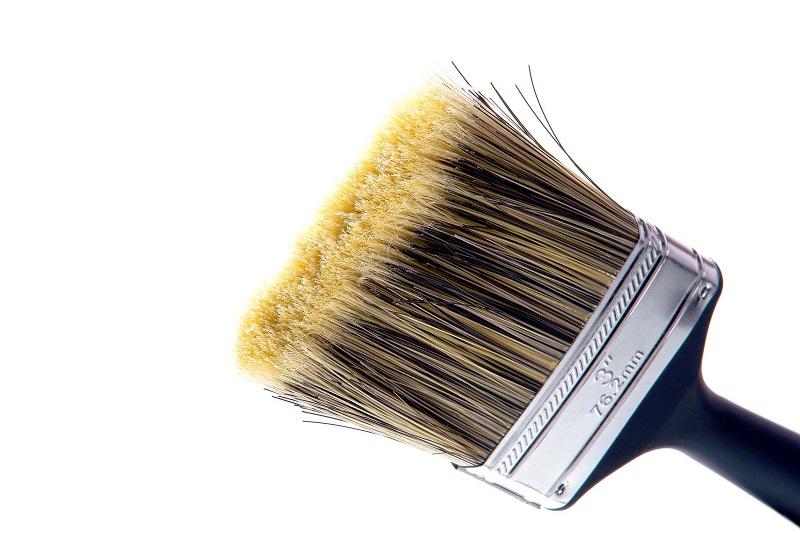
Natural bristle brushes are made from animal hair and are best suited to oil-based paints. Their bristles have naturally split ends, known as flagging, which help the brush hold more paint and apply it more evenly across the surface. Natural bristle brushes tend to cost more than synthetic alternatives, but they can deliver superior coverage with fewer visible brush strokes, which matters most on visible trims, doors and feature surfaces.
Nylon Brushes
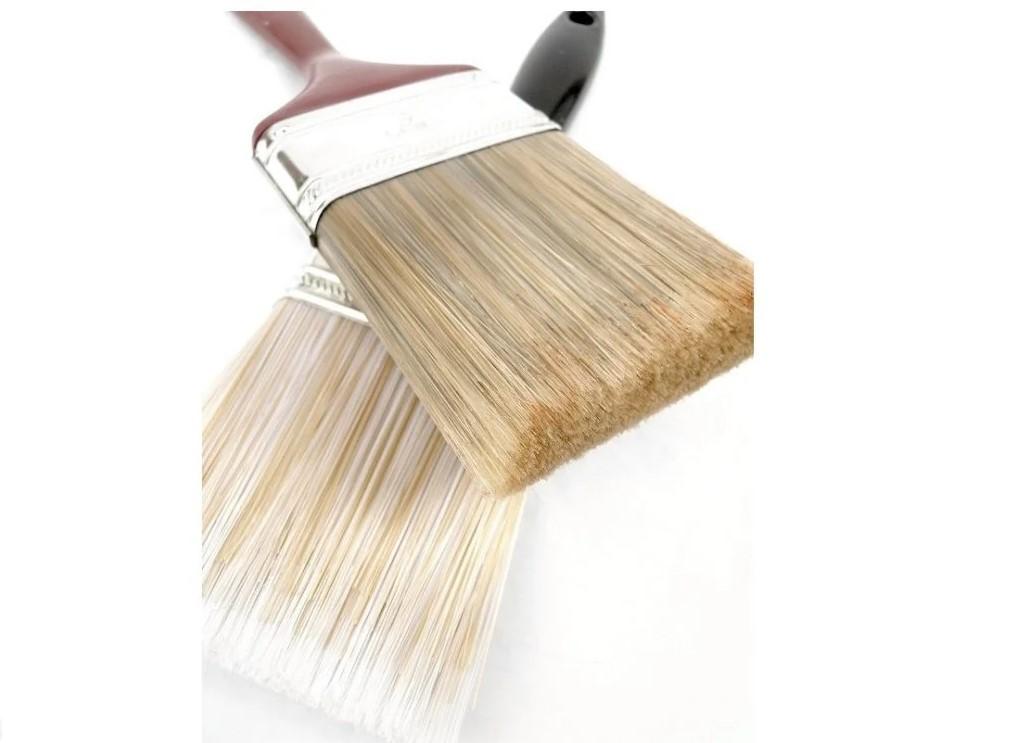
Nylon brushes are considerably cheaper than natural bristle brushes and work well with latex-based paints, which are the most common choice for interior walls. Nylon bristles are also more durable than natural fibres, holding their shape over a longer lifespan even with regular use and cleaning between coats.
Polyester Brushes
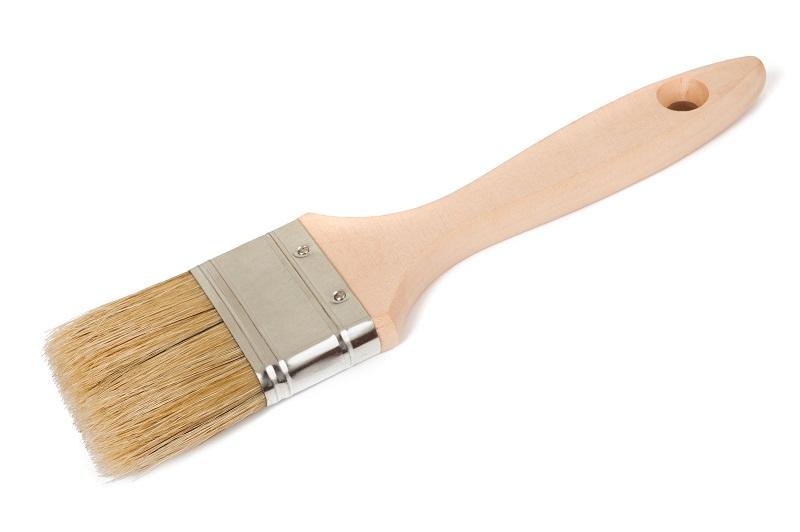
Polyester brushes are among the most affordable options available. While they may not hold quite as much paint as natural or nylon alternatives, their stronger fibres help the brush maintain its shape, making them a reliable, budget-friendly option for smaller touch-up jobs around the home.
Size, Shape and Usage Determine a Good Brush
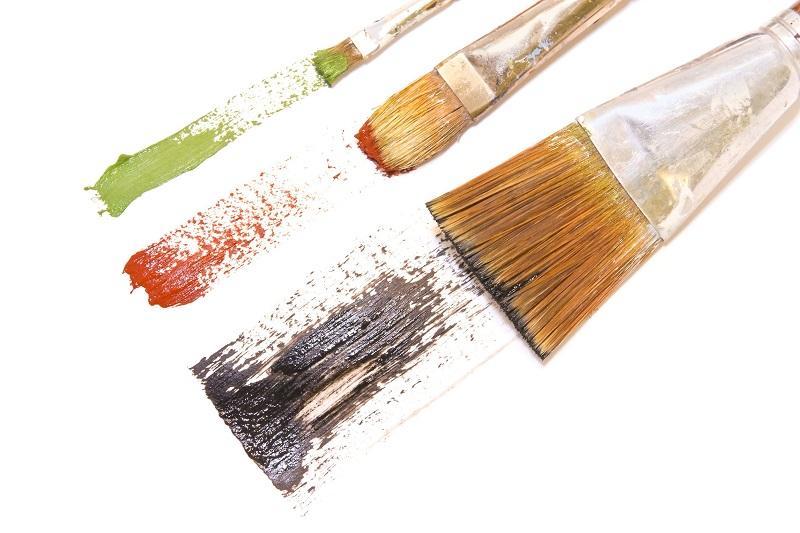
Bristle type is only part of the equation. The size and shape of a brush should match the area you are painting, otherwise even the right bristle material will not produce a clean result.
As a general guide:
- 1″ to 2″ brushes are best suited to small trim work, such as window frames and narrow edges.
- 3″ brushes work well for glossy finishes on doors, cabinets and other semi-gloss or gloss surfaces.
- 4″ brushes are more suited to larger, flat areas where wider coverage saves time.
Brush tip shape also matters. Square-cut bristles are typically used for larger, flatter areas and thicker trims, while an angled sash brush is designed for cutting in cleanly around edges, corners and window frames without needing masking tape for every stroke.
Preparing for a Quick Christmas Touch-Up
A festive touch-up is usually about refreshing a few key areas rather than repainting an entire home, which means the right brush can make an outsized difference to how professional the finished result looks. Common areas homeowners like to freshen up before guests arrive include front doors, skirting boards, window frames and any scuffed or marked sections of wall.
Before you begin, make sure the surface is clean and free of dust, and check that your existing paint colour matches what is already on the wall. If you are unsure how to get an exact match, our guide on how to colour match your paint can help you avoid an uneven, patchy finish.
It is also worth reviewing basic technique before you start. Loading the brush correctly, working in manageable sections and maintaining a wet edge all contribute to a smoother finish, regardless of how good the brush itself is.
When a Touch-Up Is Not Enough
Sometimes what looks like a small touch-up job reveals larger issues once you start, such as peeling paint, cracked surfaces or areas affected by moisture. In these cases, a fresh coat over the top will not hold for long. If you notice any of these signs, it may be worth addressing the underlying problem first, or contacting a professional painter who can assess whether a full repaint is a better long-term investment than a quick fix.
Frequently Asked Questions About Choosing a Paint Brush
What is the best paintbrush for interior walls?
Nylon brushes are generally the best choice for interior walls painted with latex-based paint. They are durable, affordable and hold their shape well over repeated use.
Should I use a natural or synthetic bristle brush?
Natural bristle brushes suit oil-based paints and can provide a smoother finish, while synthetic brushes such as nylon or polyester are better suited to latex and water-based paints, which are the most common choice for home interiors.
What size brush should I use for trim work?
A 1″ to 2″ brush is usually best for narrow trims and window frames, while a 3″ brush suits doors, cabinets and other gloss-finished surfaces.
How do I get a clean, streak-free finish?
Choosing a brush suited to your paint type and the surface size is the first step. From there, good technique, such as loading the brush evenly and working in manageable sections, helps prevent visible streaking.
Enjoy a Freshly Painted Home This Christmas
A small touch-up with the right tools can make a noticeable difference to how your home looks and feels heading into the festive season. If you would prefer to leave the job to the experts, Priority One Coatings has been providing professional painting solutions across Sydney since 1988.
Contact Priority One Coatings today to discuss a residential touch-up, repaint or full home makeover before your guests arrive.