
Light Reflectance Value and What It Means for Your Colour Choices
September 5, 2016
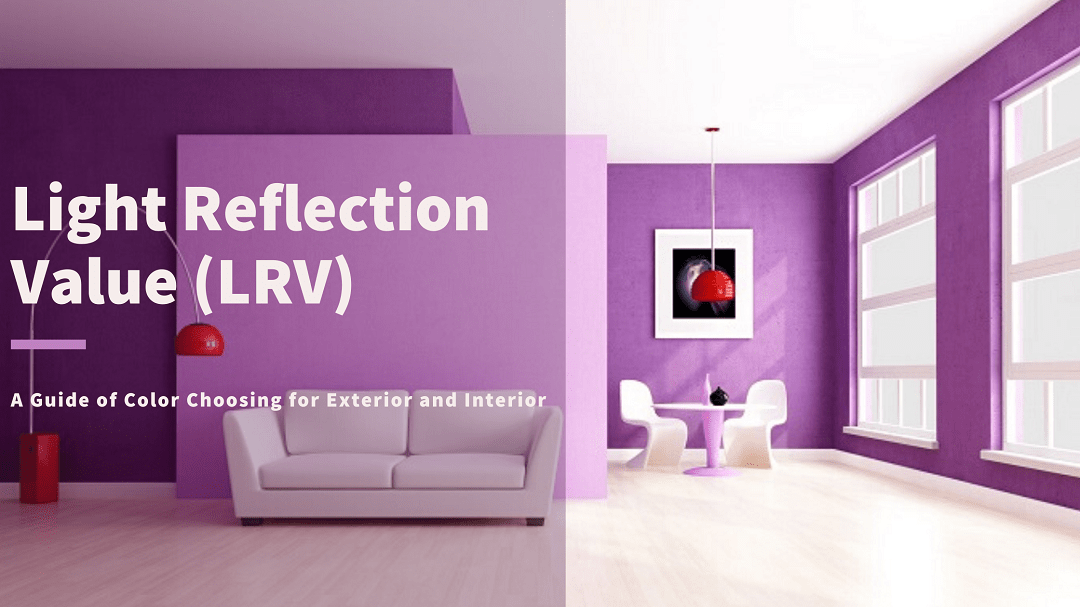
Choosing a paint colour for a residential, commercial or strata property usually starts with personal taste, but there is a more technical measurement worth understanding before you commit to a colour: Light Reflectance Value, commonly known as LRV. Both the colour itself and the texture of the surface affect how much light is reflected, and that has a real impact on how a space looks and feels.
So What Exactly Is LRV?
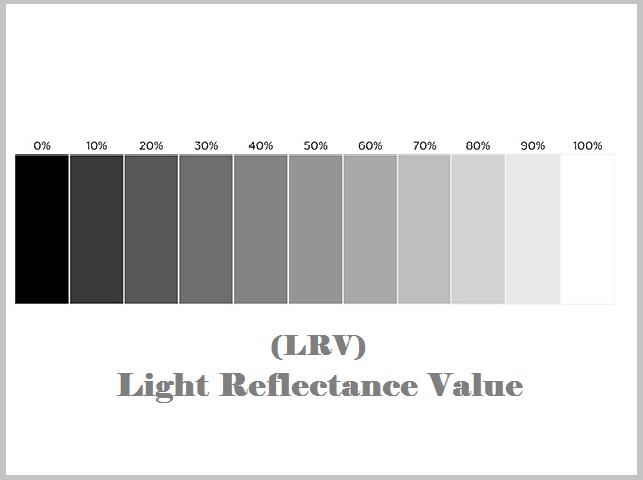
Light Reflectance Value refers to the amount of light that is reflected from, or absorbed by, a wall or ceiling surface. Every colour has a different LRV, which affects how light moves through a room and, in turn, how bright or dark that space feels.
LRV is measured on a scale from 0 to 100, representing absolute black through to absolute white. In practice, real paint colours rarely reach either extreme. The blackest of blacks typically register above 5% LRV, while the whitest whites usually fall short of a full 100%.
What Is LRV Used For?
Most home decorating decisions are made on instinct and personal preference, but LRV gives that process a scientific grounding. Interior designers, colour consultants, painters and architects regularly use LRV calculations to predict how a room will be lit once a colour is applied.
Beyond aesthetics, LRV also has practical applications. Choosing a colour with a higher LRV in a room or corridor increases visibility and may reduce how much artificial lighting is required. Buildings that need high visibility, such as hospitals, often use LRV values in the 60 to 70 percent range, prioritising visibility over a softer, more relaxed atmosphere.
How Is LRV Measured for a Paint Colour?
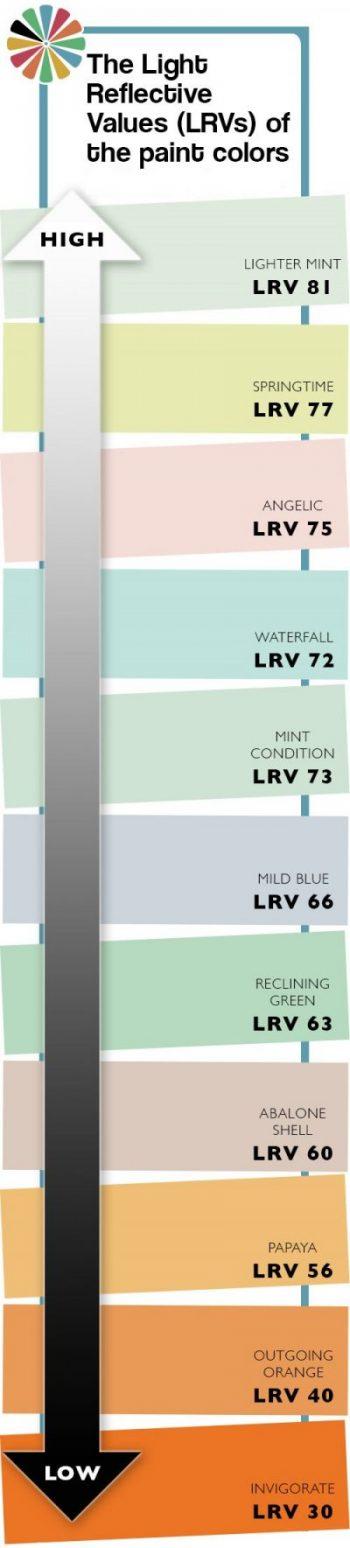
A colour’s LRV indicates how much visible light it reflects, which directly affects a building’s energy consumption. Black has an LRV of 0%, absorbing almost all light, while white sits close to 100%, absorbing very little heat. This is why darker colours can help a building retain warmth in cold climates, while lighter colours with a higher LRV reflect more light and absorb less heat, which is generally preferable in warmer, more humid climates.
When comparing colours for signage, wayfinding or accessibility, an industry standard of around 70% LRV contrast between text, background and surrounding colours is generally considered an appropriate benchmark. Contrast is typically calculated using the formula:
Contrast = (B1 − B2) × 100 / B1
where B1 is the LRV of the lighter area and B2 is the LRV of the darker area. LRV itself is measured using a spectrophotometer and is expressed as a plain number without units. Most major paint suppliers list the LRV for each colour on their colour charts, making it easy to compare options before you buy.
What Does This Mean for Homeowners?
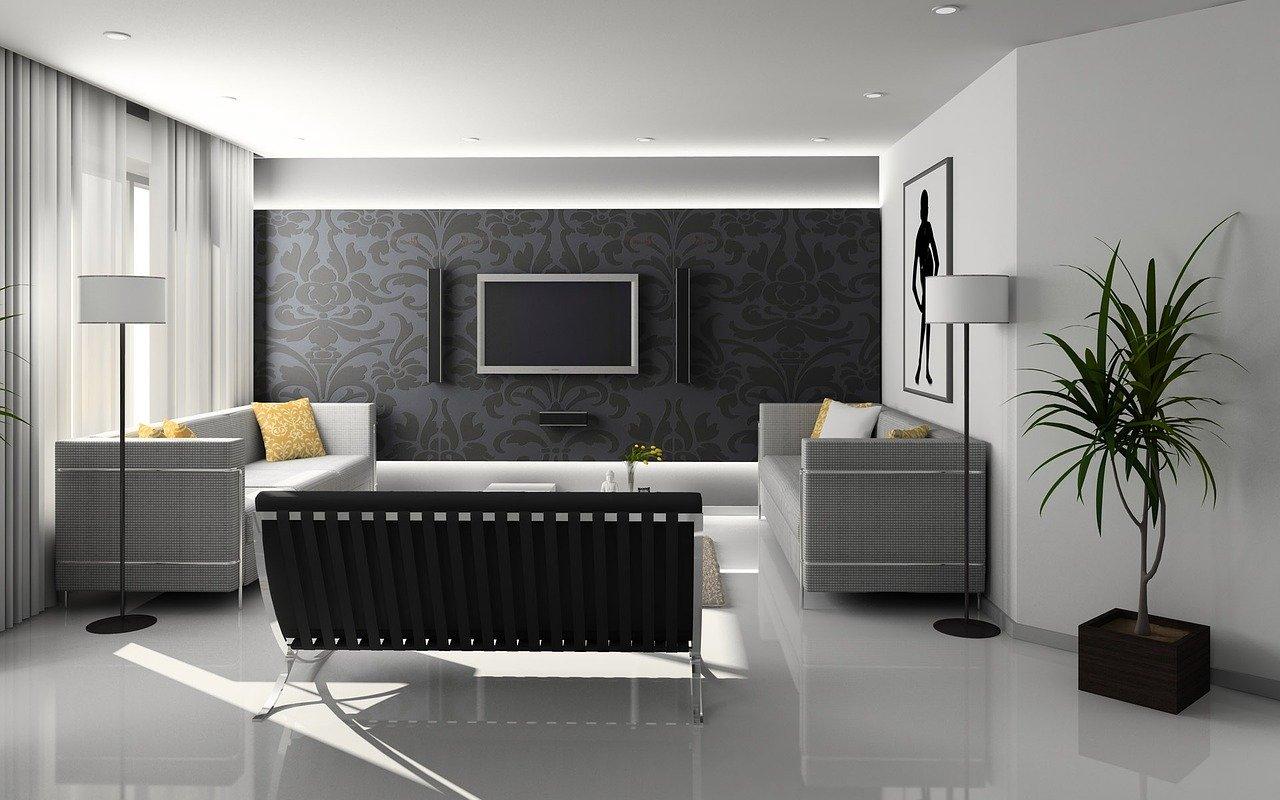
For a DIY project or a simple room refresh, checking a colour’s LRV is a useful starting point alongside your own visual preference. When comparing similar shades, keeping an eye on LRV can help you make a more informed decision about how a room will actually look once painted.
As a general guide, most living areas suit a colour with an LRV of around 50%, offering a balance between brightness and warmth. Bathrooms and other smaller, less naturally lit spaces typically benefit from a higher LRV to help the room feel brighter and larger than it is. LRV values are usually printed on the back of paint tins or available on the supplier’s colour chart, so it is worth checking before making a final decision. If you are still weighing up options, our guide on the best paint colours for small rooms covers some additional considerations.
What Are the Recommended LRVs for Exterior Paint?
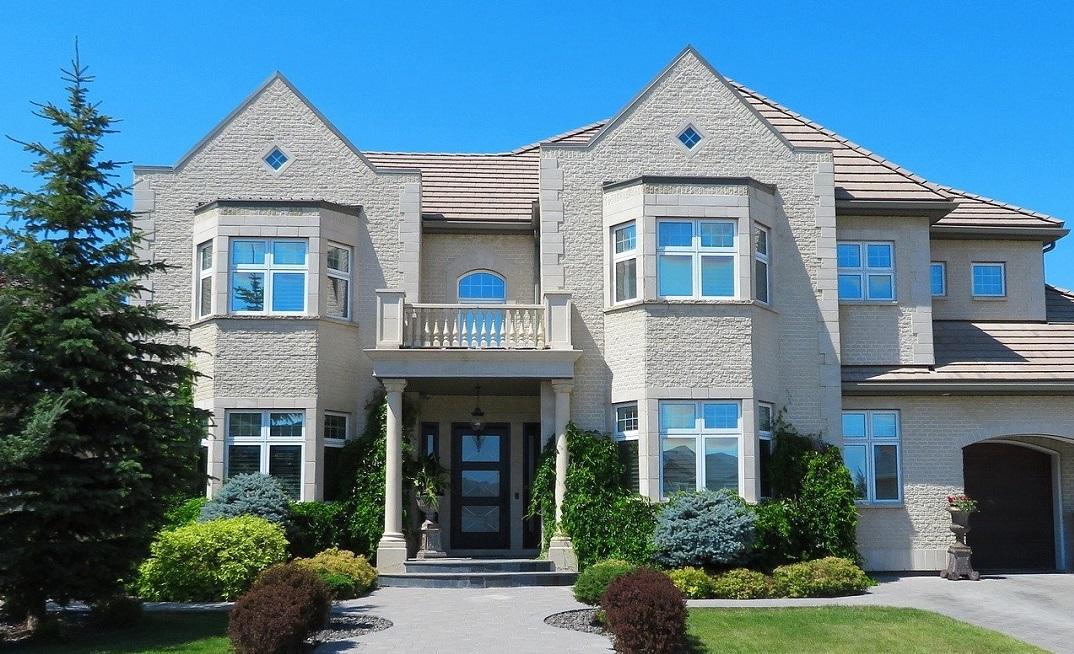
Darker exterior colours absorb more heat and energy than lighter shades, which over time can place additional stress on the bond between the paint film and the substrate underneath. Light colours, by comparison, tend to improve a building’s exterior film durability by reflecting more light and absorbing less heat, which is often preferable in humid or sun-exposed climates such as Sydney.
Darker exterior colours with a lower LRV can still be a good choice in cooler climates, where the additional heat absorption is an advantage rather than a drawback, and where a deeper colour can help disguise minor surface imperfections.
How Is LRV Connected to a Building’s Efficiency?
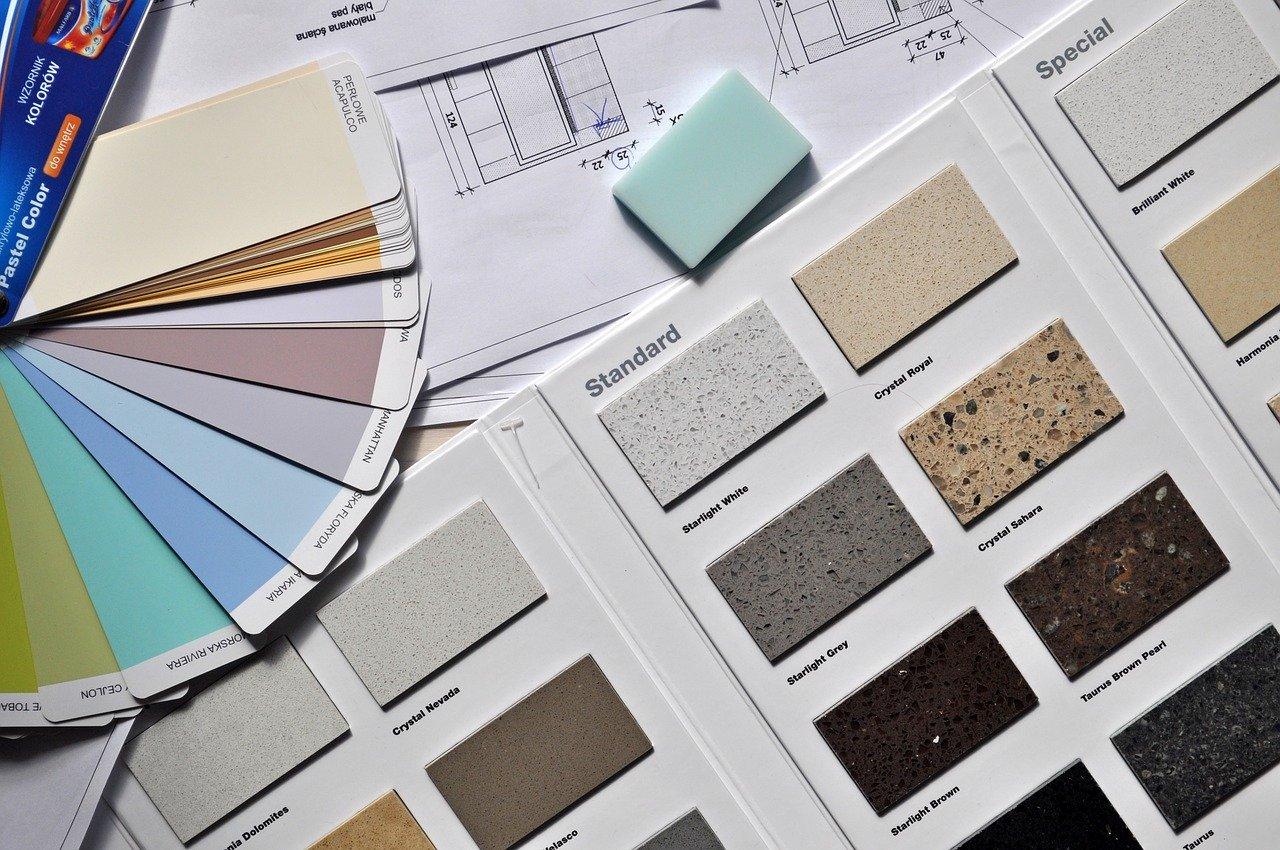
Paying attention to LRV when selecting both interior and exterior paint colours can also help inform decisions about lighting design. From a sustainability perspective, choosing colours with an appropriate LRV can reduce reliance on artificial lighting fixtures, supporting a more energy-efficient, eco-friendly property overall. Surfaces with a higher LRV generally support better lighting plans and make better use of available daylight throughout the day.
Frequently Asked Questions About Light Reflectance Value
What is a good LRV for interior walls?
Most living areas suit an LRV of around 50%, while bathrooms and smaller rooms often benefit from a higher LRV to help the space feel brighter.
Where can I find the LRV of a paint colour?
Most major paint suppliers list LRV values on their colour charts or on the back of paint tins, making it easy to compare shades before purchasing.
Does LRV affect exterior paint performance?
Yes. Lighter colours with a higher LRV reflect more heat and light, which can improve exterior film durability in hot, humid climates, while darker colours with a lower LRV can be beneficial in cooler climates.
Do I need to consider LRV for a residential repaint?
It is not essential, but checking LRV alongside your preferred colours can help you predict how bright or dark a finished room will feel, particularly in spaces with limited natural light.
Make an Informed Colour Choice With Priority One Coatings
Understanding LRV is one more tool to help you choose a colour that performs well, not just one that looks good on a swatch. Priority One Coatings has been providing professional painting solutions across Sydney since 1988, helping residential, commercial and strata clients choose colours suited to their property.
If you would like advice on colour selection for your next project, contact Priority One Coatings today to discuss your requirements and request a quote.