
Safety Measures While Repainting Your House
January 25, 2016

When you repaint your home, it is easy to get carried away with colours and finishes and forget about the safety side of the job. Most homeowners know to grab a drop sheet and a roller, but there are several other safety considerations involved in house painting that are worth thinking through before you pick up a brush.
Before painting your house, it is always wise to inspect the condition of your existing paint and check for chipping, warping or bubbling. If paint is cracked or bubbling in a particular spot, this can point to water damage or a larger structural issue. In that case, the area should be inspected by a professional painter who can survey the property and provide expert advice before any paint goes on the wall.
Prepare Your Workspace
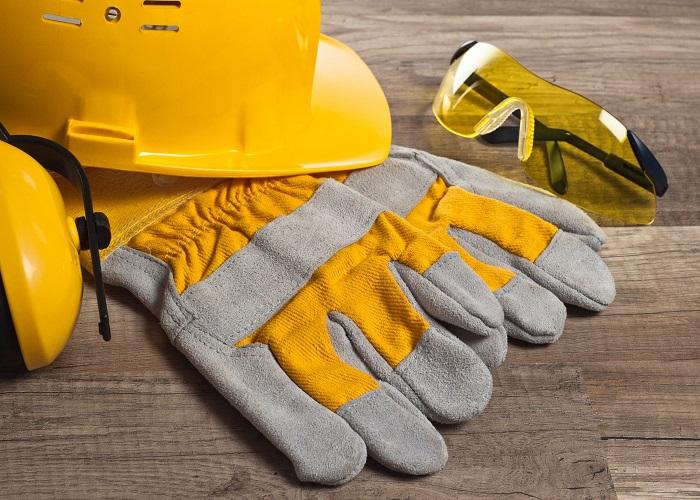
When preparing a home for painting, you may come across mould, grime or old flaking paint that needs to be removed before a fresh coat can go on. It is always wise to wear goggles and a face mask to protect yourself from dust and any chemicals released while cleaning or sanding the surface.
If you are using chemicals to treat mould or mildew before painting, follow the safety instructions on the product itself, allow enough time for the cleaning agent to work, and dispose of any excess safely and responsibly. Leftover chemicals and paint should never be poured down the drain.
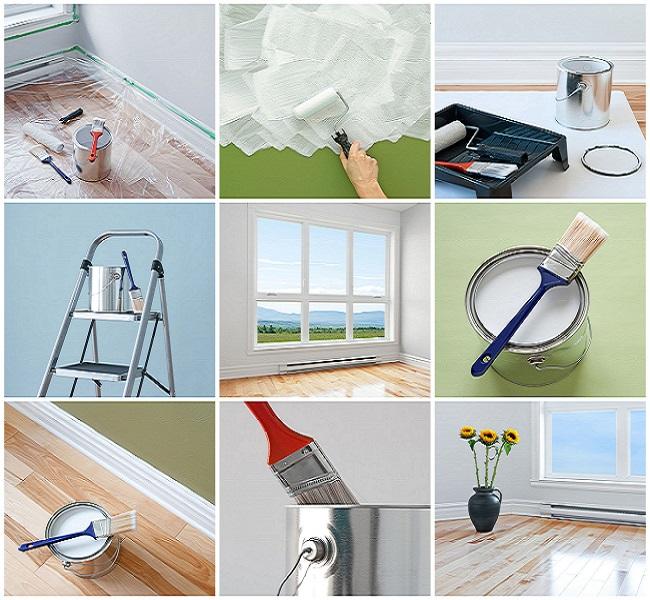
Before you start painting, create a safe working environment. Remove furniture and other items that could be tripped over or damaged, move electrical devices to another room, and cover your flooring to protect it from spills or sanding dust.
Only Use the Correct Tools, and Use Them Safely
In many cases, an extension pole on your paint roller is all you need to reach the higher areas of a room. If the job does call for a ladder, make sure you understand the safety features of your particular model. Locking ladders in particular have different modes of operation, and it is important to understand how the locking mechanism works before you climb.
Ladder safety remains one of the most common causes of household injury, and in rare cases, fatalities each year. Before you climb, check that the ladder extends fully and smoothly and that the locking mechanism is functioning correctly.
Common Sense Safety on Ladders and at Height
Try not to balance paint tins or roller trays on a ladder, and avoid overreaching when painting ceilings or high walls. If you are in any doubt about your safety, the safest option is to call in a professional painter who uses proper equipment and understands how to set up a safe working environment before any work begins.
There have also been useful innovations in painting equipment designed to improve safety. These include specialised ladder gangways with a raised platform to reduce the risks associated with a single ladder, along with more efficient painting methods that reduce time spent working at height.
The condition of your home will influence how straightforward or how risky a repaint is likely to be, but there is a lot you can do to reduce the dangers of a DIY paint job and improve the likelihood of a well-finished result.
Check for Lead Paint Before You Start Sanding
Older homes, particularly those built before 1970, may still have layers of lead-based paint beneath more recent coats. Sanding or disturbing this paint without the right precautions can release hazardous dust into the home. If you are unsure of your home’s paint history, it is worth reading our guide on how to determine if your house has lead paint before you begin any preparation work. Where lead paint is present, professional lead paint removal is the safer option.
Tips From the Professionals
Use only recommended tools and equipment, ask a local professional about a scheduled maintenance service if your home is due for a repaint, practise good ladder safety, and carry out a before and after review to confirm the surface has been properly prepared as well as finished.
Professional painters such as Priority One Coatings make sure your home is painted safely and left ready to live in straight away. Our safety approach means only recommended paint and lead removal processes are followed, alongside commercial-grade equipment used in a safe and efficient way.
Paint is applied professionally, and clients are left with clear advice on how to maintain their home’s paintwork for years to come. It is one of the reasons Priority One Coatings has built a reputation as one of the few painting companies in Sydney that genuinely prioritises safety on every job.
Frequently Asked Questions About Safe House Repainting
Is it safe to paint over cracked or bubbling paint?
No. Cracking or bubbling can indicate moisture damage or an underlying structural problem. Painting over it without investigating the cause is likely to lead to premature paint failure. Have the area inspected by a professional before repainting.
What safety gear do I need for a DIY paint job?
At a minimum, safety goggles and a well-fitted face mask are recommended when sanding or using cleaning chemicals. Gloves and ear protection are also useful if you are using power sanders or working with stronger chemical products.
How do I know if my ladder is safe to use?
Check that the ladder extends fully and smoothly, that the locking mechanism engages properly, and that the feet are stable on the surface you are working on. Never overreach, and avoid resting paint tins or trays on the ladder itself.
Could my house have lead paint?
Homes built before 1970 are more likely to have lead-based paint in older layers. If you are unsure, avoid sanding or scraping until you have confirmed what type of paint is present, and consider professional testing and removal where required.
When should I call a professional painter instead of doing it myself?
If your home has multiple storeys, requires extensive ladder work, shows signs of possible lead paint, or has structural issues behind the paintwork, it is safer and often more cost-effective to bring in an experienced painting team.
Repaint Your Home With Confidence
A safe repaint starts well before the first coat goes on, from inspecting your existing paintwork to preparing your workspace and using the right tools and ladder safely. If you would rather leave the risk assessment, preparation and painting to an experienced team, contact Priority One Coatings today to discuss your home and request a quote.