
Why Winter Is a Good Time for Interior Painting Jobs
July 26, 2016

We often assume that summer is the ideal time to give a house the painting makeover it deserves. But contrary to popular belief, winter is actually one of the more suitable times for interior house painting, for a number of practical reasons. In Sydney, summer heat and humidity can work against a good paint finish, while winter’s lower humidity means less moisture in the air and quicker drying times.
In other words, winter as an “off-season” works in your favour. Here are some of the reasons winter can be the perfect season for interior painting.
Cheaper Quotes and More Affordable Projects
During winter, demand for interior painting services is significantly lower than at other times of year, largely due to the common misconception that painting is a warm-weather job. Spring and summer, by contrast, are high-demand seasons for professional painters, so quotes during those months tend to be less flexible.
This makes winter a good time to give your rooms a complete makeover at a more competitive price. If you have a larger painting project, a residential painting team may even have more room in their schedule to fit in an additional space at a better rate.
Fairly Consistent Weather Conditions
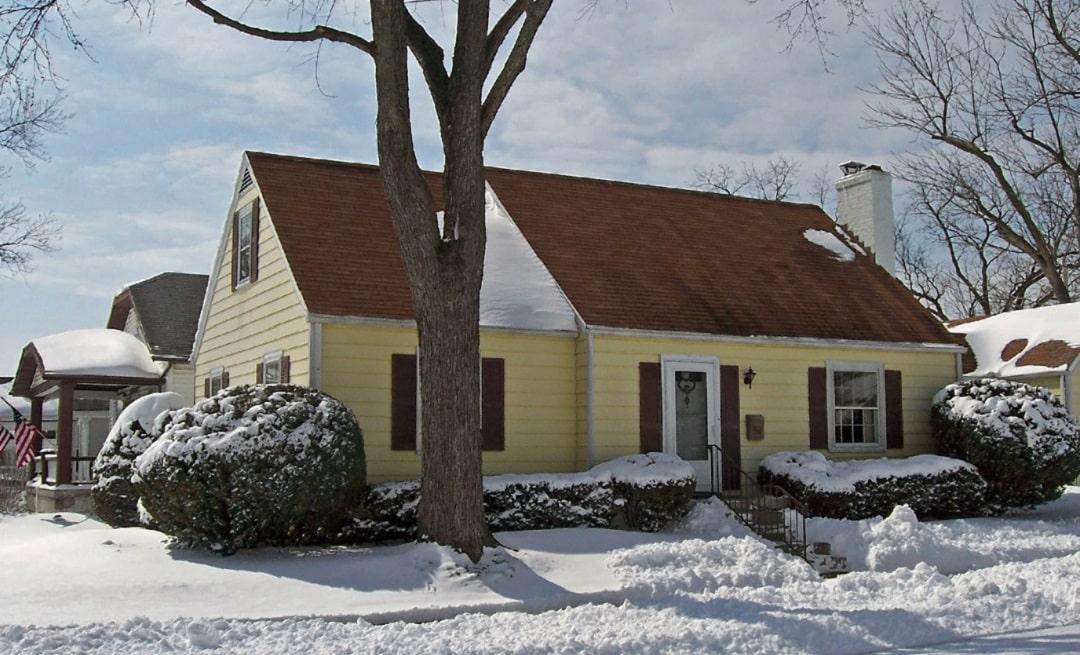
Before starting any house painting project in winter, checking the local forecast and scheduling the work at the right time is still important. The total time required for surface preparation, painting, drying and priming depends on the weather and air temperature. But during winter, the temperature tends to fluctuate less, which makes it easier to complete interior painting jobs without significant interruptions.
Exterior projects are a different story, where sunny weather is generally preferable. For an interior job, however, direct sunlight is not really a requirement, and our guide on winter exterior painting dos and don’ts is worth a read if you are weighing up an outdoor project during the cooler months as well.
Less Humidity in the Air
Through the summer months, high humidity levels can cause real problems for painters, whether working outdoors or indoors. Excess water vapour in the air reduces paint’s ability to adhere properly, making it harder to spread evenly and increasing the risk of staining or adhesion issues.
In winter, moisture in the air is limited and humidity stays consistently low, which makes painting jobs easier to schedule and finish. Indoors, your walls and ceiling will also be conducting some heat, and in some cases paint actually dries faster on a cold day than on a warm one. Overall, the right painting conditions depend on a range of factors, including surface and air temperature, which is worth understanding before you start.
Interior Surface Temperature Is the Main Consideration
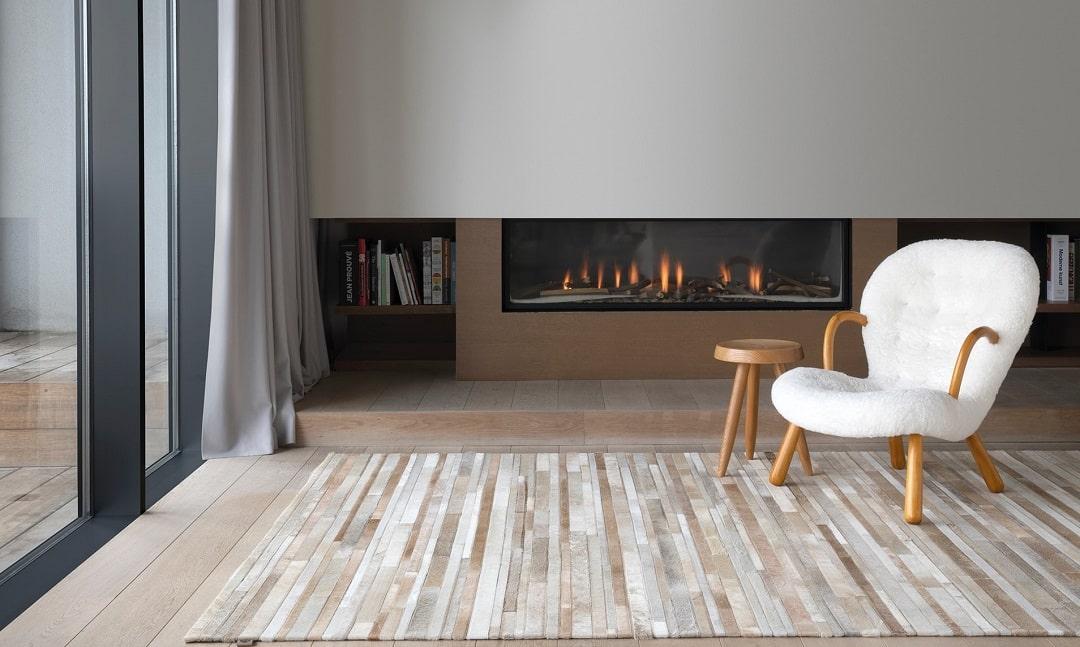
Wall surface temperature is one of the most important factors in interior painting during winter. The minimum application temperature for most paints relates not just to the air temperature but also to the wall or ceiling surface being painted. It is worth checking whether the surface is warmer or colder than the surrounding air, as it is often colder during winter. If the air temperature is comfortable but the surface still feels cold, a heat gun or hairdryer can help warm it before painting begins.
Professional painters often use infrared thermometers to compare the temperature difference between surface and air, taking the guesswork out of the job. These devices emit an infrared beam to measure the surface temperature of anything they are pointed at. If you are unsure, consult a painting expert or residential painting service before starting.
More Scheduling Flexibility
Winter offers more flexibility than the extremes of a wet monsoon season or a hot summer. Days start earlier, letting professional painters begin work sooner and finish earlier too. Because painters are generally less busy during winter, you can schedule work around your own preferences, and the holiday period often gives homeowners a little extra time at home to oversee the project.
Winter interior painting also brings the chance to spend cosy evenings indoors admiring a fresh new look, which can help keep spirits up during the colder months. If you are still deciding on a palette, our guide on choosing the right colour for your home is a good place to start.
Faster Paint Drying Times
Contrary to what many people believe, an interior paint job can dry noticeably faster in winter than in summer. As mentioned earlier, moisture and humidity play a considerable role in drying time, and winter air tends to be cold and crisp with minimal moisture. Rather than trying to artificially dry the room, simply check the surface temperature and get started.
To take full advantage of this, keep windows open to ventilate the space with fresh, cold air. This also helps dismiss any risk from paint fumes, so it is worth choosing wall paints with low to zero VOC content for indoor projects.
More Time to Enjoy Summer

Winter painting and rejuvenation also gives you more headspace to plan a great summer. Many homeowners choose to repaint individual or multiple rooms during winter specifically so they can avoid dealing with a painting project once the warmer weather arrives, freeing up their time to enjoy it instead. It is a sensible strategy once you understand the benefits that come with painting in the cooler months. Comparing the two seasons side by side, our article on painting in hot weather highlights just how much more forgiving winter conditions can be indoors.
If you can manage it, getting an interior painting project out of the way during winter is a genuine advantage, and since you are likely spending more time indoors anyway, you get to enjoy the newly painted space for longer.
Frequently Asked Questions About Winter Interior Painting
Is winter really a good time to paint indoors in Sydney?
Yes. Lower humidity levels mean paint often dries faster and adheres better indoors, and scheduling is generally more flexible because demand for painting services is lower.
Does cold weather affect how paint dries indoors?
Surface temperature matters more than air temperature. As long as the wall or ceiling surface is not too cold, most interior paints will dry effectively during winter, sometimes faster than in summer.
Should I ventilate a room while painting in winter?
Yes, keeping windows open helps ventilate the space and reduces the risk from paint fumes. Using a low or zero VOC paint is also recommended for indoor winter projects.
Is it cheaper to paint your home’s interior in winter?
Often, yes. Demand for interior painting is generally lower in winter, which can mean more competitive quotes and more flexibility in scheduling compared with the busier spring and summer months.
Book Your Winter Interior Painting Project
Winter, unlike the popular myths, offers plenty of time to focus on projects you might otherwise rush through during peak seasons like summer. Interior painting is no exception.
To get a free quote for your indoor painting project, get in touch with Priority One Coatings. Our team of professional painters has been serving the greater Sydney area for over 38 years. Contact Priority One Coatings today to discuss your winter interior painting project.